
Breaking Free From Body Hate and Learning to Appreciate What Your Body Does
September 1, 2026
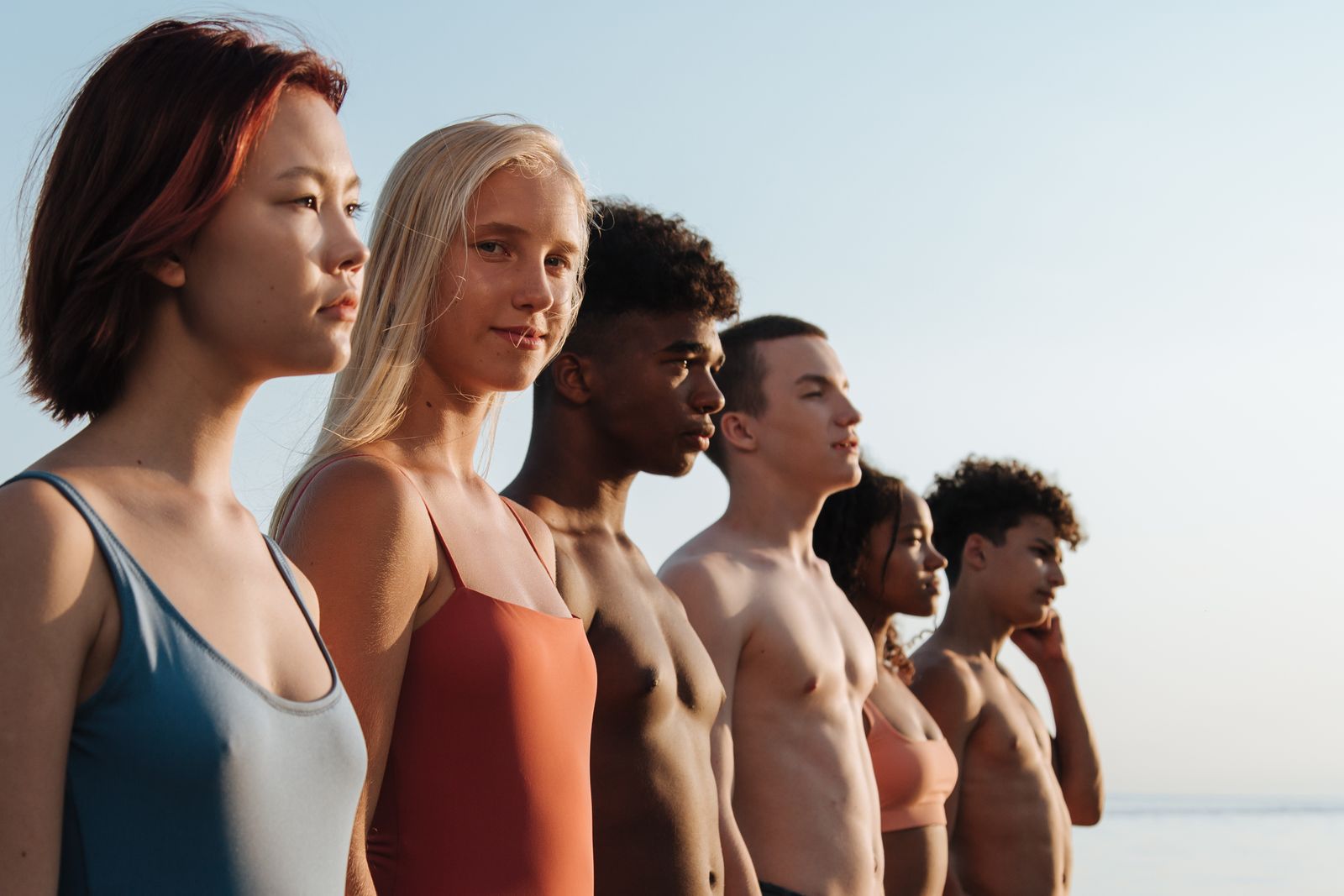
You take a picture with your friends.
Everyone else seems to look great, but your eyes immediately go to the one thing you don't like about yourself. Perhaps it's your stomach, your weight, or your height.
You zoom in. Compare yourself with everyone else. Maybe you delete the picture.
Sound familiar?
It's easy to become so focused on how your body looks that you forget something important:
Your body does so much more than look a certain way.
It carries you through life.
It allows you to laugh with friends, hug someone you love, worship God, dance, learn, play, create, serve, explore, and experience the world around you.
Your body isn't simply something to look at. It's something to live in.
And when you spend your life fighting against it, both your physical and mental well-being can suffer.
When “I Don't Like My Body” Becomes Something More
Almost everyone has something about their appearance they would change if given the chance.
That's different from allowing dissatisfaction with your body to determine how you feel about yourself.
Body image is the way you think and feel about your body and appearance. A negative body image can include frequently comparing yourself with others, feeling ashamed of your appearance, believing your value depends on your size or shape, or constantly worrying about how other people see you.
For teens and young adults, those pressures can be intense.
You're growing and changing at the same time you're surrounded by messages telling you exactly what you're supposedly supposed to look like.
Then social media gives you thousands of people to compare yourself with.
And comparison can become exhausting.
Body Hate Can Affect Your Mental Health
Constantly criticizing your body isn't harmless.
Research has consistently linked body dissatisfaction among adolescents with poorer psychological well-being and concerns such as depressive symptoms, anxiety, low self-esteem, and disordered eating. Body image concerns can also affect young men, even though conversations about body dissatisfaction have historically focused more heavily on girls and women.
The problem isn't simply wanting to look good.
It begins when appearance becomes connected to your worth:
“If I were thinner, people would like me.”
“If I were more muscular, I'd finally feel confident.”
“If my skin cleared up, I'd be happy.”
“If I looked like them, I'd finally be enough.”
The finish line keeps moving.
There will always be someone taller, thinner, curvier, more muscular, or more photogenic.
Trying to build your worth on appearance means building it on something that will inevitably change.
Body Hate Can Affect Your Physical Health Too
When you dislike your body, you may think being harder on yourself will motivate you to take better care of it.
Sometimes the opposite happens.
Body dissatisfaction can contribute to unhealthy attempts to change appearance, including restrictive dieting, skipping meals, compulsive exercise, binge eating, or other disordered eating behaviors.
You might exercise because you hate your body rather than because movement is good for you.
You might avoid swimming, sports, or other activities because you're embarrassed about how you look.
You might ignore hunger because eating makes you feel guilty.
Or you might decide:
“What's the point of taking care of a body I don't like?”
Here's an important shift:
You don't have to hate your body into becoming healthy.
You can learn to care for it instead.
What Does God Say About Your Body?
Long before Instagram, filters, or fitness influencers existed, Scripture gave us a radically different starting point.
“I praise you because I am fearfully and wonderfully made.” — Psalm 139:14
Notice what David doesn't say:
“I praise You because I meet my culture's beauty standards.”
Your value comes from your Creator—not from how closely you resemble somebody else's creation.
Genesis 1:27 tells us that human beings are made in the image of God.
That truth goes much deeper than appearance.
You reflect something of your Creator simply because you are human.
Your Body Is More Than Its Appearance
Try something.
Think about your body without mentioning how it looks.
Suddenly, there's a lot to appreciate. Your eyes allow you to watch a sunset. Your ears allow you to hear music. You can embrace someone with your hands, and your legs carry you around.
Perhaps we've spent so much time asking,
“How does my body look?”
that we've forgotten to ask,
“What does my body allow me to do?”
Your body has a purpose.
Paul writes:
“Do you not know that your bodies are temples of the Holy Spirit… Therefore, honor God with your bodies.” — 1 Corinthians 6:19–20
A temple is valuable because of who dwells there, not because it wins a beauty competition.
For Christians, caring for our bodies can become an act of stewardship.
But What If I Don't Love My Body?
You don't have to look in the mirror tomorrow and suddenly love everything you see.
That may not be realistic.
Start somewhere simpler:
Stop treating your body like your enemy.
You might not be ready to say:
“I love my stomach.”
Try:
“My stomach doesn't determine my worth.”
Instead of:
“I love everything about my appearance.”
Try:
“This is my body, and I can learn to care for it.”
1. Change the Question
Instead of constantly asking:
“How do I look?”
start asking:
“How do I feel?”
“What does my body need?”
“What did my body allow me to do today?”
This moves your attention from appearance toward health and function.
2. Catch Cruel Body Talk
Listen to how you speak about yourself.
“My thighs are disgusting.”
“I look horrible.”
“I hate my face.”
Then ask yourself:
Would I speak this way about someone God loves?
You are someone God loves too.
3. Clean Up Your Feed
Pay attention to how you feel after scrolling.
Which accounts leave you feeling inspired? Which consistently leave you feeling inadequate?
Mute or unfollow accounts that repeatedly trigger unhealthy comparison.
4. Move Because You Love Your Body, Not Because You Hate It
Exercise shouldn't be punishment for what you ate.
Find a movement you enjoy: walking, dancing, playing a sport, or riding your bike.
Move because your body benefits from movement—not because you're trying to earn permission to like yourself.
5. Nourish Instead of Punish
Food isn't something you have to earn.
Your body needs nourishment to grow, think, move, study, regulate emotions, and stay healthy.
Instead of asking:
“How little can I eat?”
consider asking:
“What does my body need to function well?”
Healthy eating is about nourishment, not punishment.
6. Practice Body Gratitude
Before bed, identify one thing your body allowed you to do that day. For example:
“My legs carried me around school.”
You may be surprised by what happens when you stop evaluating your body and start appreciating it.
7. Remember That Bodies Change
The body you have at 15 won't be exactly the body you have at 25, 45, or 75.
They sometimes develop illnesses or disabilities.
Appearance is simply too temporary to carry the weight of your identity.
Scripture points us toward something deeper:
“People look at the outward appearance, but the Lord looks at the heart.” — 1 Samuel 16:7
You Are More Than a Body—But Your Body Still Matters
Christianity doesn't teach us to worship our bodies.
Neither does it teach us to hate them.
Your body isn't your entire identity.
But it is part of the person God created.
When Body Concerns Need More Support
Sometimes body dissatisfaction becomes more serious.
Pay attention if concerns about your body are causing you to:
- Frequently skip meals or severely restrict food
- Binge eat
- Purge or try to compensate for eating
- Exercise excessively despite injury or exhaustion
- Constantly check or avoid mirrors
- Avoid friends, school, church, sports, or photographs because of your appearance
- Become consumed with weight, calories, shape, or perceived flaws
- Feel that your worth depends on changing your body
Those aren't struggles you need to hide.
Talk with a parent, healthcare professional, counselor, or another trusted adult. Getting support early matters.
Faith and professional help aren't competitors.
Sometimes accepting help is part of learning to care for the body and mind God has entrusted to you.
Try the 7-Day Body Gratitude Challenge
For the next seven days, don't focus on changing how your body looks.
Instead, notice what it does.
Each day complete this sentence:
“Today I'm grateful my body allowed me to __________.”
At the end of seven days, look back over your answers.
You may start to see something different when you look in the mirror.
Not a body that needs to become perfect.
A body that has been carrying you through your life.